Payment stages and stamp duty figures in this article are verified against the Housing Developers Rules and IRAS as of 21 July 2026. Percentages are statutory but exact timing varies by project — always confirm against your Sale and Purchase Agreement and your bank.
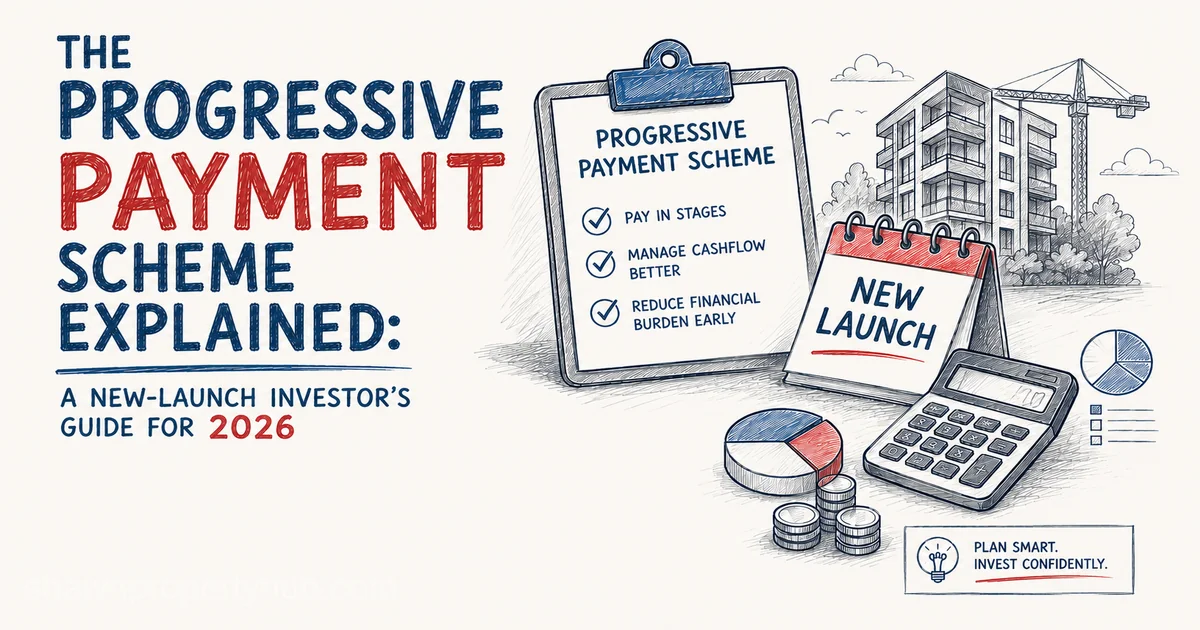
One of the biggest advantages of buying a brand-new condo off the plan, rather than a completed resale unit, is how you pay for it. Instead of servicing a full mortgage from day one, you pay in stages that follow the building’s construction progress. This is the Progressive Payment Scheme, or PPS, and understanding it well can dramatically improve your cash flow and your investment returns.
Over my years advising property investors in Singapore, I have seen how the PPS turns a large, intimidating purchase into a manageable, staged commitment. But I have also seen investors underestimate the later payment stages and get caught short. In this guide, I will walk you through exactly how the scheme works, stage by stage, and what it means for you as an investor buying into a new launch in 2026.
What Is the Progressive Payment Scheme?
The Progressive Payment Scheme is the standard payment structure for new-launch condominiums and executive condominiums that are still under construction, often referred to as Building Under Construction (BUC) properties. Rather than paying the full price at once, your payments are released in tranches that are tied to construction milestones.
Each milestone must be certified by the project’s licensed architect before payment falls due. When a stage is completed and certified, the developer issues a payment notice, and you (or your bank, on your behalf) typically have around 14 days to make that payment. Your home loan is disbursed in the same staged manner, which means you only pay interest on the portion of the loan that has actually been drawn down so far.
The Payment Stages, Broken Down
Here is the standard progressive payment schedule that applies to most new-launch private condos in Singapore. The percentages refer to the purchase price of your unit.
You begin with the booking fee of 5 percent, paid strictly in cash on the day you secure your unit, in exchange for the Option to Purchase (OTP) — this tranche cannot come from CPF or a loan. Within roughly eight weeks, you exercise the OTP by signing the Sale and Purchase Agreement and paying a further 15 percent, which can draw on your CPF Ordinary Account. From there, the remaining payments follow construction milestones:
| Milestone | Payment | Cumulative |
|---|---|---|
| Booking / Option to Purchase (cash only) | 5% | 5% |
| Sign Sale & Purchase Agreement, within ~8 weeks (CPF OA allowed) | 15% | 20% |
| Completion of foundation | 10% | 30% |
| Completion of reinforced concrete framework | 10% | 40% |
| Completion of brick walls | 5% | 45% |
| Completion of roofing / ceiling | 5% | 50% |
| Completion of electrical wiring, plastering, door & window frames | 5% | 55% |
| Completion of car park, roads & drains | 5% | 60% |
| Temporary Occupation Permit (TOP) | 25% | 85% |
| Certificate of Statutory Completion (CSC) | 15% | 100% |
The two largest remaining tranches come at the end. You pay 25 percent when the project receives its Temporary Occupation Permit (TOP), which is the point at which you can collect keys and the unit becomes tenantable. The final 15 percent is due on the Certificate of Statutory Completion (CSC), which is issued after the defect liability period. Added together, these stages total 100 percent of the purchase price.
Source: This schedule is prescribed under the Housing Developers Rules (First Schedule), administered by the Controller of Housing. The percentages are statutory and fixed; individual projects may reach certain milestones in a slightly different order, but the tranche amounts do not change.
Why the PPS Is So Attractive for Investors
The appeal of the scheme comes down to cash flow. Because your loan is disbursed progressively, your monthly repayments start small and grow only as the building rises. In the early years of construction, you may be servicing interest on just a fraction of the total loan, which frees up your capital for other uses.
For an investor, this staged commitment has a second benefit. It gives you time. From launch to TOP is often around three to four years, during which the property may appreciate in value while your capital outlay is still modest. Some investors are drawn to new launches precisely because of this runway between committing to a purchase and having to fund the bulk of the loan.
It is also worth remembering that you are buying a completely new, defect-covered unit that will command strong rental appeal the moment it reaches TOP. Fresh fittings, modern layouts and full facilities tend to attract tenants and, in time, buyers.
The Costs and Risks You Must Plan For
The PPS is attractive, but it is not free of risk, and a disciplined investor plans for the full picture from the start.
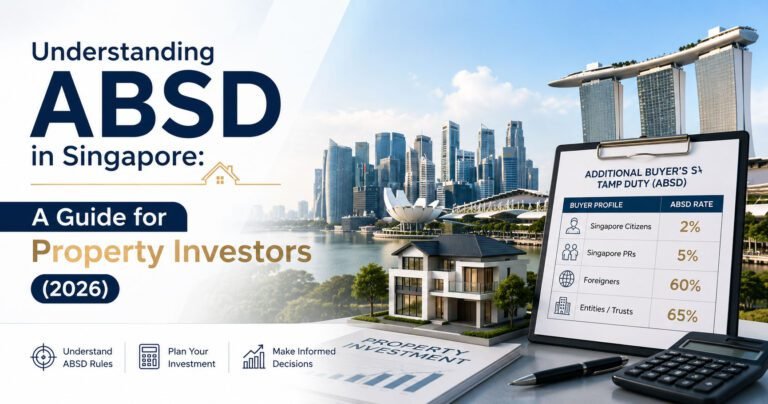
First, remember your upfront stamp duties. Buyer’s Stamp Duty is payable on the purchase, and if this is your second or subsequent property, Additional Buyer’s Stamp Duty (ABSD) applies on top. As of 2026, a Singapore Citizen buying a second residential property pays ABSD of 20 percent, and Permanent Residents pay 30 percent on a second property. These are due shortly after you exercise the OTP, not spread across the construction stages, so you need this cash ready early.
Source: IRAS — Additional Buyer’s Stamp Duty (ABSD)
Second, plan for the jump. The early construction stages are gentle, but the 25 percent TOP payment is a large single tranche. Your monthly mortgage will step up meaningfully as more of the loan is drawn down, and it reaches its full level once the property is completed. Investors who budget only for the light early payments can find themselves stretched when TOP arrives.
Third, factor in the holding period before rental income begins. Unlike a resale unit that can be tenanted immediately, a BUC property generates no rental income until TOP. You are carrying the growing loan for several years before a single dollar of rent comes in, so your investment case must be able to absorb that gap.
Progressive Payment Versus Buying a Completed Resale Unit
So how should an investor weigh a new launch on the PPS against a completed resale condo? It comes down to your goals and your cash position.
A new launch on the PPS suits investors who value low initial outlay, want time for potential capital appreciation during construction, and are comfortable waiting a few years for rental income to begin. A completed resale unit suits investors who want immediate rental yield, prefer to see the actual unit and its rental track record before committing, and are ready to service the full mortgage from day one.
Neither is universally better. The right choice depends on your investment horizon, your appetite for the construction wait, and how the numbers work for the specific projects on your shortlist. This is exactly the kind of comparison I run with my investor clients before they commit a cent.
Conclusion: Buy with a Clear Plan, Not Just a Brochure
The Progressive Payment Scheme is one of the most investor-friendly features of Singapore’s new-launch market. It eases you into a large purchase, protects your early cash flow, and gives your capital room to work. But its benefits only materialise if you plan for the full journey, including the heavy TOP payment and the upfront stamp duties, rather than being seduced by the light early stages alone.
If you are considering a new launch for investment in 2026 and want to understand exactly how the progressive payments will hit your cash flow, and whether a BUC unit or a completed resale property suits your goals better, I would be glad to run the numbers with you. With more than 10 years advising property investors in Singapore, I can help you buy with clarity and confidence.
Reach me directly at +65 9239 4968 for a no-obligation discussion of your investment plans.